
Loading...
Serving Pharr, TX and surrounding areas. (956) 705-5189
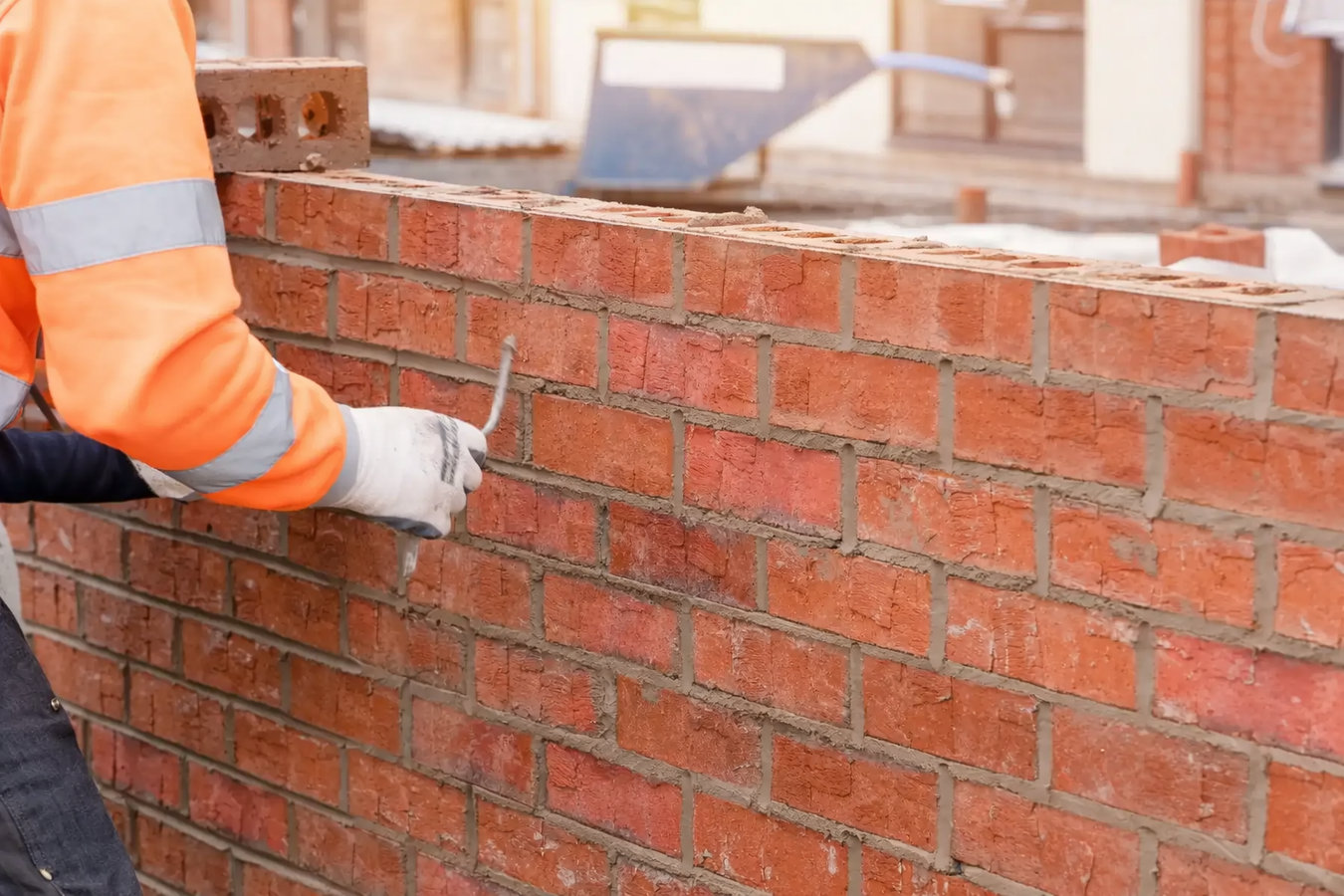
Crumbling mortar joints let water behind your bricks. In Pharr's heat and clay soil, the damage moves fast. We replace failing joints before moisture reaches the wall structure.
Brick pointing in Pharr means removing old, crumbling mortar from the joints between bricks and packing in fresh mortar that seals the wall against moisture - most residential jobs take one to three days depending on how much wall area needs attention.
Most homeowners in Pharr do not think about mortar joints until they can see a problem - soft, sandy mortar when they run a finger along the wall, or a white chalky stain spreading across the brick face after a heavy rain. By the time those signs appear, water may already be finding its way behind the brick. Most homes here are built with brick veneer over a wood frame, which means the mortar joints are the only barrier keeping moisture off the wood structure behind. Replacing worn mortar before it fails completely is a much smaller expense than repairing water-damaged framing.
Brick pointing is related to foundation repair - when clay soil movement causes a foundation to shift, the same movement often cracks mortar joints in the walls above. Addressing both together makes sense when the underlying cause is the same.
Run your finger along the mortar lines on your exterior wall. If the material feels soft or comes away as powder or small chunks, it has broken down and is no longer sealing your wall. This is the clearest sign that repointing is needed, and you can check it yourself in five minutes.
In Pharr's intense summer heat, mortar joints often develop fine cracks as they dry out and shrink. If you see thin lines running horizontally or in a stair-step pattern along the joints after a long dry stretch, the mortar has lost its flexibility. Those cracks will widen when the next heavy rain arrives.
A chalky white residue on your bricks - called efflorescence - is a sign that water is moving through the wall and carrying dissolved salts to the surface as it evaporates. In Pharr, where summer storms can push a lot of water against a wall quickly, this is often one of the first visible signs that mortar joints are letting moisture in.
If you can see daylight through a joint, or if sections of mortar have fallen out entirely, water is already getting behind the brick. This is especially common on older Pharr homes built in the 1980s and 1990s, where original mortar is now 30 or more years old. Open joints allow water straight into the wall cavity - do not wait on this one.
Our repointing work covers exterior walls, chimneys, garden walls, and any brick surface where the mortar joints have failed or are beginning to deteriorate. The process starts with grinding or chiseling out the old mortar to the proper depth - roughly three-quarters of an inch - then packing in fresh mortar in layers and shaping each joint to match the original profile. Mortar mix selection matters here: using a mix that is too hard will cause the bricks themselves to crack over time, so we match the new mortar to your existing bricks and joints. If you also need broader work on your home's exterior masonry, our masonry restoration service covers more comprehensive repairs including damaged or spalled bricks alongside joint repairs.
Every job gets a written estimate before work begins, and we color-match the new mortar as closely as possible to your existing joints so the repair blends in rather than standing out.
Best for homes where mortar joints have cracked or softened on one or more exterior walls, especially south- and west-facing surfaces that take the most sun in Pharr.
Suited for chimneys where mortar joints are exposed to weather from all sides and deteriorate faster than wall joints, especially after storm seasons.
For brick garden walls or boundary features where clay soil movement has opened up joints and allowed water infiltration over time.
For homeowners who have identified specific sections of failing mortar and want targeted repairs before the problem spreads to adjacent areas of the wall.
Brick pointing is important everywhere there is brick, but in Pharr the conditions that destroy mortar are especially aggressive. Summer temperatures regularly exceed 100 degrees for weeks at a time, which dries out mortar faster than in cooler climates and causes it to lose flexibility sooner. The expansive clay soils throughout Hidalgo County also move with every wet and dry cycle - that constant ground movement stresses mortar joints in ways you would not see in areas with more stable soil. Many Pharr homes built between the 1980s and early 2000s are now at the age where their original mortar is starting to fail for the first time, and the combination of age, heat, and soil movement means deterioration can accelerate quickly once it starts.
We work throughout the Rio Grande Valley, including homeowners in San Juan and Donna who face the same brick veneer construction and soil conditions as Pharr. The late-summer storm season here can push a lot of water against exterior walls in a short window - getting joints repointed before that season arrives is the smart move.
Describe what you are seeing - soft mortar, cracks, staining - and roughly how much wall area is involved. We respond within one business day and schedule a time to come see the wall in person. No commitment required at this stage.
We walk the exterior of your home and examine the mortar joints up close - checking depth, hardness, and how much area needs attention. Most assessments take 20 to 45 minutes. You receive a written estimate covering scope, price, and timeline before we start.
The crew grinds or chisels out old mortar to the proper depth, cleans the joints, and packs in fresh mortar in layers. Each joint is shaped to match the original profile. This is the noisiest part of the job - it usually takes one to two days for a standard home. You do not need to leave during the work.
Fresh mortar needs 24 to 48 hours before it can get wet and up to a week to reach full strength. We walk the job with you before leaving - joints should be fully packed and neatly shaped with no mortar smeared on the brick faces. We let you know exactly what to avoid during the curing window.
Free written estimates. We respond within one business day. No pressure, no obligation.
(956) 705-5189Using the wrong mortar hardness is one of the most common repointing mistakes - a mix that is too hard will crack your bricks rather than absorb stress the way mortar is supposed to. We assess your existing mortar and select a compatible mix so the repair works with your wall, not against it.
We have completed repointing jobs across Pharr and the surrounding Valley, on homes ranging from 1980s brick veneer to newer construction. That means we understand the local housing stock, soil conditions, and permit requirements - not just masonry in general. The Brick Industry Association standards guide how we select and apply every mortar mix.
Texas does not license masonry contractors the way some states do, which means you need to ask the right questions before hiring anyone. We carry general liability insurance and provide a written contract that spells out scope, price, and timeline before a single tool touches your wall. You are protected if anything goes wrong.
After the job we walk you through exactly what was done and what to watch for going forward - in plain language, not trade talk. Pharr homeowners should not leave a job feeling like they were just invoiced. We also let you know when the curing window is done so you can go back to normal use of the area right away.
The right mortar mix, documented coverage, and straight communication are not extras - they are the basics of doing this job correctly. That is what you get every time you call us.
When clay soil movement has shifted your foundation, it often cracks mortar joints above - address both issues together for a lasting fix.
Learn MoreFor homes where damaged or spalled bricks need attention alongside mortar joint repairs, masonry restoration covers the full scope.
Learn MoreLate-summer rains arrive fast in the Rio Grande Valley - the time to repoint failing mortar joints is now, not after the next heavy downpour.