Loading...
Serving Pharr, TX and surrounding areas. (956) 705-5189
Cracked and crumbling mortar lets water into your walls. We grind out the old joints and pack in fresh, color-matched mortar that holds up through Pharr summers.
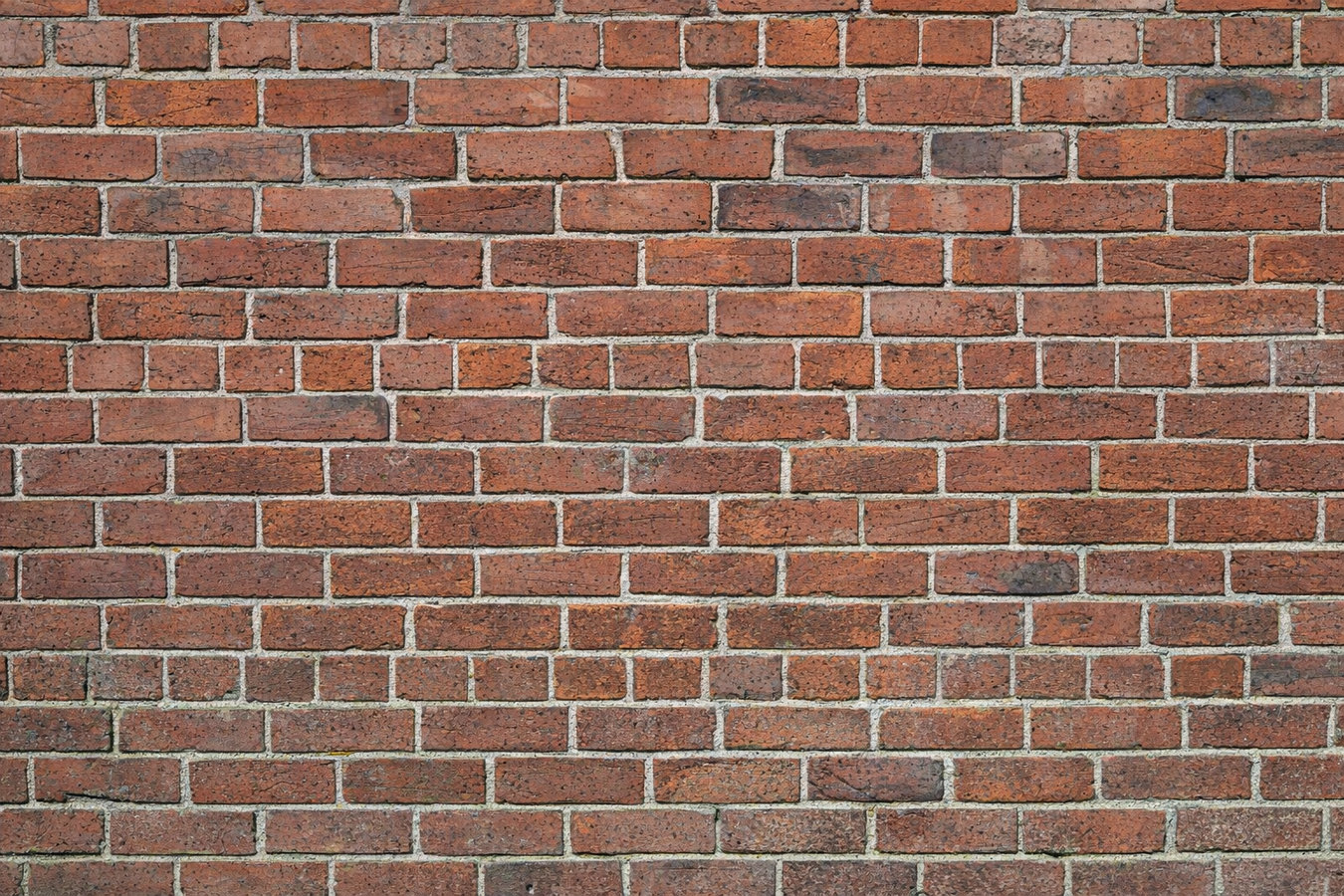
Tuckpointing in Pharr, TX involves removing old or failed mortar from the joints between bricks and replacing it with fresh, properly matched material. Most residential jobs cover one side of a single-story home and take one to two days.
If you have noticed white staining on your brick, small cracks between joints, or walls that were last touched in the 1980s, your mortar is likely past its reliable life in this climate. South Texas heat and clay soils wear down joints faster than national average lifespans suggest. If the bricks themselves are also damaged, you may want to look at our brick repair service alongside tuckpointing.
The Pharr area's combination of over 230 sunny days per year, summer highs that regularly top 100 degrees F, and clay soils that shift with every wet and dry season puts more stress on mortar joints than many homeowners realize. Catching the problem early keeps the repair manageable and keeps moisture out of your walls.
Run your finger along the mortar joints on your exterior walls. If the mortar feels soft, crumbles away, or has visible gaps wider than a credit card, it is no longer keeping moisture out. This is the clearest sign tuckpointing is needed, and you can check it yourself in about ten minutes.
White, chalky streaks - called efflorescence - are caused by water moving through the wall and carrying mineral salts to the surface. It is a reliable sign that moisture is getting in through failed mortar joints. In Pharr, this often shows up after the summer rainy season on walls that face the prevailing wind.
Pharr sits on clay soils that expand and contract with moisture, so diagonal cracks that appear or worsen after a dry summer or a heavy rain are the wall's response to the ground moving beneath it. Left alone, they allow water in and the problem compounds quickly.
Chimneys take more weather exposure than any other part of a masonry home, and in Pharr's heat and UV intensity, chimney mortar often fails years before the rest of the wall. If the joints at the top of your chimney look lighter, recessed, or crumbly compared to lower joints, that section needs attention before water gets into your flue or attic.
We handle the full range of tuckpointing work - from a small problem section on a garden wall to a complete repointing of an entire home exterior. Every job starts with grinding out the old mortar to a consistent depth, never capping fresh material over crumbling joints. When the damage goes beyond the joints themselves, we connect the tuckpointing work with our brick repair service so every surface issue is addressed in one visit.
Chimneys are the area where Pharr homeowners most often discover failing mortar, because the top of a chimney takes the most direct sun and rain. We also handle brick pointing for new or recently laid brick that needs its initial joints finished correctly. Each job gets mortar matched to the existing brick in both color and hardness - a detail that matters most on older Pharr homes with softer original brick.
Best for older Pharr homes where original mortar from the 1970s and 1980s is well past its service life across the entire exterior.
Suits homeowners with isolated cracks or a specific section showing early failure before damage spreads to adjacent joints.
Designed for chimneys that face the most UV and rain exposure and tend to fail sooner than ground-level walls.
Addresses mortar joint damage that appears or worsens after Pharr's summer rainy season or an occasional hard freeze event.
Pharr sits in the Lower Rio Grande Valley, where UV radiation is intense year-round and temperatures regularly exceed 100 degrees F from June through August. That sustained heat bakes mortar joints faster than it would in cooler climates - south- and west-facing walls may need attention every 15 to 20 years instead of the 25 to 30 years you would read about in general guides. Older Pharr neighborhoods built in the 1960s through 1980s are now well past that threshold, and many of those homes have never had their original mortar touched. The Pharr, TX area's clay-heavy soil adds another layer of stress - as the ground expands and contracts with the wet and dry seasons, it pushes and pulls on your masonry walls from the foundation up.
The rainy season - roughly June through September - also brings periods of high humidity and occasional heavy rain that expose any weakness in mortar joints. Homeowners across McAllen, TX and Pharr routinely discover efflorescence (white mineral staining) on their brick after a wet stretch, which is a reliable sign that water has been moving through the wall. The best time to schedule tuckpointing in this area is October through March, when temperatures are mild enough for mortar to cure properly and contractor schedules are more open ahead of the spring rush. See also the Brick Industry Association for guidance on mortar selection and curing conditions.
Call us and we will ask a few basic questions about your wall and schedule a free on-site estimate within one business day. Tuckpointing is one of those jobs where the scope is hard to judge without seeing the wall in person.
A mason walks your exterior walls, checks joint depth and condition, and looks for signs of soil movement or moisture. You receive a written quote in plain terms before any work begins.
Old mortar is ground out to a consistent depth - you will hear the grinder and see fine dust. Fresh mortar is packed in, shaped to match your joints, and color-matched to blend with the existing brick. Most single-story jobs take one to two days.
Fresh mortar needs 24 to 48 hours before it should get wet. We walk the finished job with you, point out what was done, and flag anything to watch. In Pharr's summer heat, we may lightly mist joints on the first day to slow the cure and prevent surface cracking.
Free estimate. Written quote before any work starts. We reply within one business day.
(956) 705-5189Using mortar that is too hard for older brick can crack the bricks themselves over time. We match the mortar strength and color to what is already on your home so the repair holds without damaging the surrounding masonry.
Pharr summers regularly exceed 100 degrees F with intense UV exposure that bakes mortar faster than national averages suggest. We use mixes and timing suited to this climate so repairs last, not just survive the first summer.
You get a clear, itemized written quote before we touch anything. If something unexpected comes up during the job, we discuss it with you before proceeding - no surprise charges at the end.
The Brick Industry Association recommends avoiding tuckpointing in extreme heat when mortar cures too fast. We advise on the best window for your project and will flag risk if you need to schedule outside of ideal conditions.
Every one of these details comes back to one thing - a repair that lasts in this specific climate rather than one that looks fine on day one and fails by the second summer. That is the standard we hold every job to, whether it is a single chimney or an entire home exterior.
When damaged bricks need replacement alongside mortar joint repairs, brick repair handles both in one visit.
Learn MoreInitial joint finishing for new masonry or freshly laid brick that needs its first proper mortar application.
Learn MoreEvery season you wait, water works deeper into your walls. Get a free tuckpointing estimate from Pharr Concrete & Masonry and seal the problem before the next rainy season arrives.