
Loading...
Serving Pharr, TX and surrounding areas. (956) 705-5189
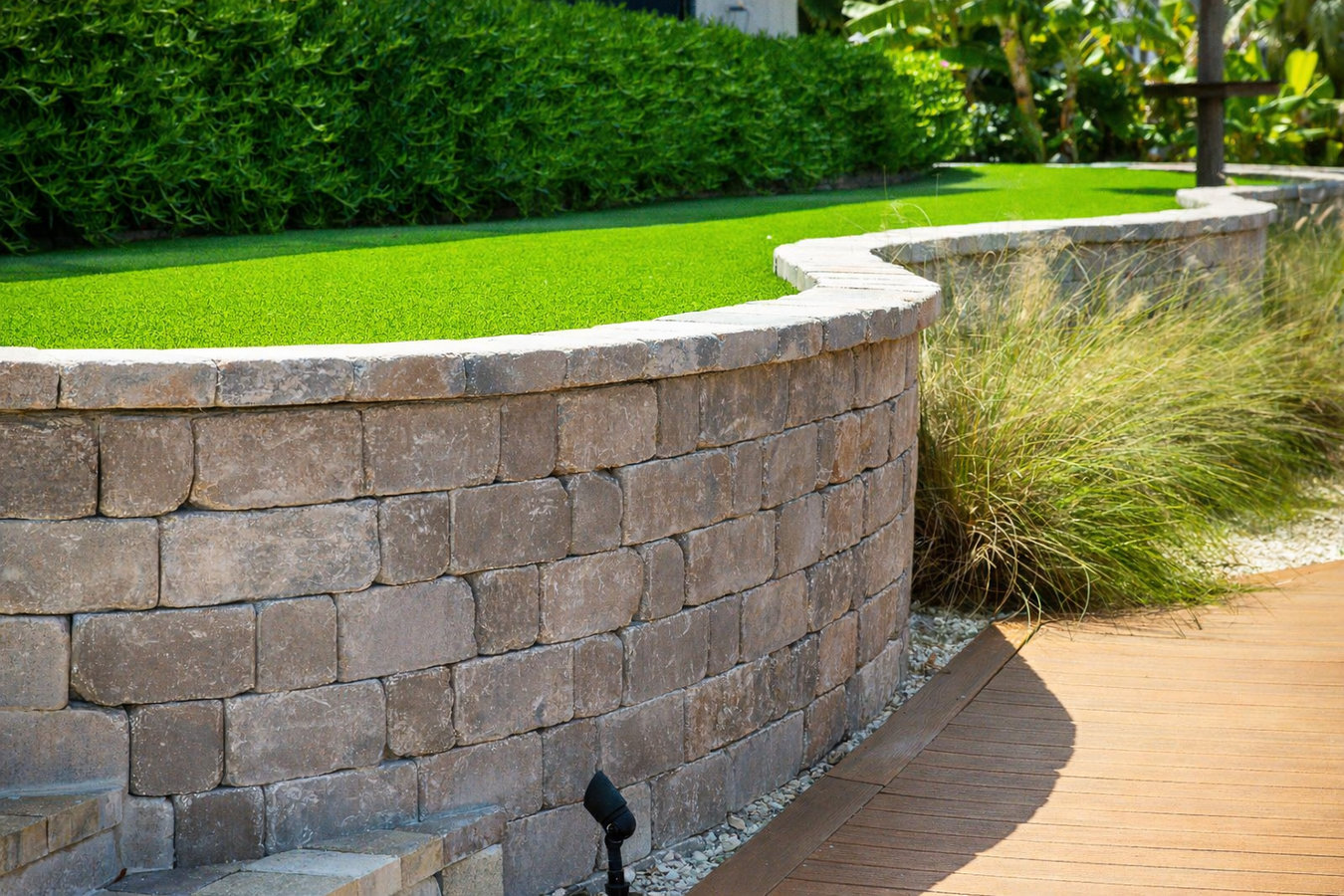
Pharr Concrete & Masonry has served Alamo, TX homeowners with retaining walls, foundation repair, and brick work since 2016. We know how Hidalgo County clay soil behaves through wet and dry seasons, and we respond within one business day.
Retaining wall construction is one of the most practical masonry investments an Alamo homeowner can make. Flat lots here drain slowly after the Valley's late-summer storms, and a properly built wall with a drainage system behind it keeps soil in place and routes water away from your foundation before it causes bigger problems.
Alamo's clay soil shrinks and swells with every weather change, and concrete slab foundations absorb that movement year after year. By the time cracks appear at window corners or a door stops latching, the slab has usually been shifting for a while - and the sooner it gets looked at, the simpler the fix.
Mortar joints in Alamo deteriorate faster than in most of the country because of the combined stress of extreme summer heat and sudden heavy rain. Repointing the joints before gaps open wide enough to admit water is the most cost-effective way to protect a brick or block wall in this climate.
Most Alamo homes built in the 1970s through the 1990s have stucco or brick exteriors that develop cracks as the structure settles over decades of soil movement. Small cracks cost little to fix; the same crack left open through a few rainy seasons costs significantly more.
Concrete driveways on Alamo's clay-heavy lots crack and shift over time as the ground beneath them expands and contracts. Paver systems handle soil movement better than poured concrete because individual units can flex and be replaced without tearing out the whole surface.
Concrete block is the most common wall material on Alamo properties built for privacy, security, or property line definition. Block walls built with proper footings and drainage hold up well in the Valley climate - and when they need repair, we can match existing materials and match the existing look.
Alamo sits on the same heavy clay soil that runs throughout most of the Rio Grande Valley. Clay soil expands when it gets wet and contracts when it dries, and the Valley cycles between drought and sudden intense rain regularly enough that the ground beneath most Alamo homes never fully stabilizes. Homes built between the 1970s and the 1990s - which describe a large portion of Alamo's housing stock - have now been through enough of these cycles that foundation movement, cracked mortar joints, and shifting concrete flatwork are routine maintenance issues rather than rare events. According to Texas A&M AgriLife Extension, clay soils in South Texas are among the most expansive in the state.
The flat terrain in Alamo makes drainage management a particularly real problem. Water does not run away from houses naturally on flat lots - it has to be directed away through grading, drainage structures, and properly positioned walls. When it rains hard and water sits against a foundation for hours, the soil saturation accelerates the movement that already happens through normal dry-wet cycles. Stucco and brick exteriors crack where structures shift beneath them, and those cracks become water entry points during the next storm. Managing masonry here is not about aesthetics first - it is about keeping water away from the structure before it becomes a foundation problem.
Our crew works throughout Alamo regularly, and we understand the local conditions that affect masonry work here. We are familiar with the City of Alamo building department and the Hidalgo County permit process for structural masonry - which projects need permits, how long inspections take, and how to keep your project moving without administrative delays. We pull permits as part of the job so you do not have to navigate that process yourself.
Alamo is a city of around 19,000 people sitting roughly midway between McAllen and Weslaco along the Valley corridor. The area has roots in citrus farming, and many older lots near the edges of town still sit adjacent to agricultural land - which affects drainage and soil composition in ways that show up in masonry work. We see flat lots that pool water, uneven grading from past irrigation work, and older homes where the original footing depth was not designed for the soil movement they have since experienced.
Alamo borders Donna to the east and sits close to San Juan to the west. We work across the entire corridor between them on a regular basis, so if your family or neighbors in either direction need masonry work, we are already in the area.
We respond within one business day. A few questions about your home and what you have noticed help us prepare for the on-site visit. No long phone trees - just a direct conversation about your project.
A crew member visits your property, walks the affected area, and gives you a plain-language explanation of the issue and the repair - before any number is mentioned. The estimate is itemized, in writing, and free. No obligation.
We pull any required City of Alamo or Hidalgo County permits on your behalf and work around your schedule. Most homeowners can remain in the house throughout masonry work - we will tell you upfront if that changes.
After the job is complete, we clean up the work area and walk you through what was done. We explain follow-up steps - such as drainage adjustments to protect the repair or how long to wait before applying any surface treatment.
We serve Alamo homeowners with written, no-pressure estimates. Call us or fill out the form and we will respond within one business day.
(956) 705-5189Alamo is a city of roughly 19,000 people in Hidalgo County, situated in the middle of the Rio Grande Valley between McAllen to the west and Edinburg to the north. The housing stock is predominantly single-family homes, with most built between the 1970s and the 2000s. Older homes in the established parts of town sit alongside newer subdivisions that have appeared on the city edges over the past 15 to 20 years. Like most South Texas communities, Alamo homes are commonly built with concrete block or brick construction finished in stucco - materials that hold up well in the heat but require periodic maintenance as soil movement works on them over time. The city's roots are agricultural: the surrounding land has long been used for citrus groves and vegetable crops, and many lots near the outer edges of town still sit adjacent to farmland.
Residents travel regularly to McAllen and Edinburg for work, shopping, and services - Alamo is part of a connected Valley metro area where neighboring cities function as one daily-life zone. Hidalgo County has been one of the fastest-growing counties in Texas in recent years, and new construction continues nearby. We serve all of Alamo and work regularly in neighboring Weslaco to the east and Donna as well, so if your project crosses city lines, we handle that without any issue.
Build solid retaining walls that control erosion and add structure.
Learn MoreCustom masonry fireplaces built to deliver warmth and lasting style.
Learn MoreLay a solid block foundation to support your building for years.
Learn MoreCustom outdoor kitchens built from durable, weather-resistant masonry.
Learn MoreCall Pharr Concrete & Masonry for a free estimate or fill out the contact form. We serve Alamo and communities throughout the Rio Grande Valley.