Loading...
Serving Pharr, TX and surrounding areas. (956) 705-5189
Cracked bricks and failing mortar let water into your walls. We repair the damage with materials matched to your existing masonry so it holds up through Pharr summers.
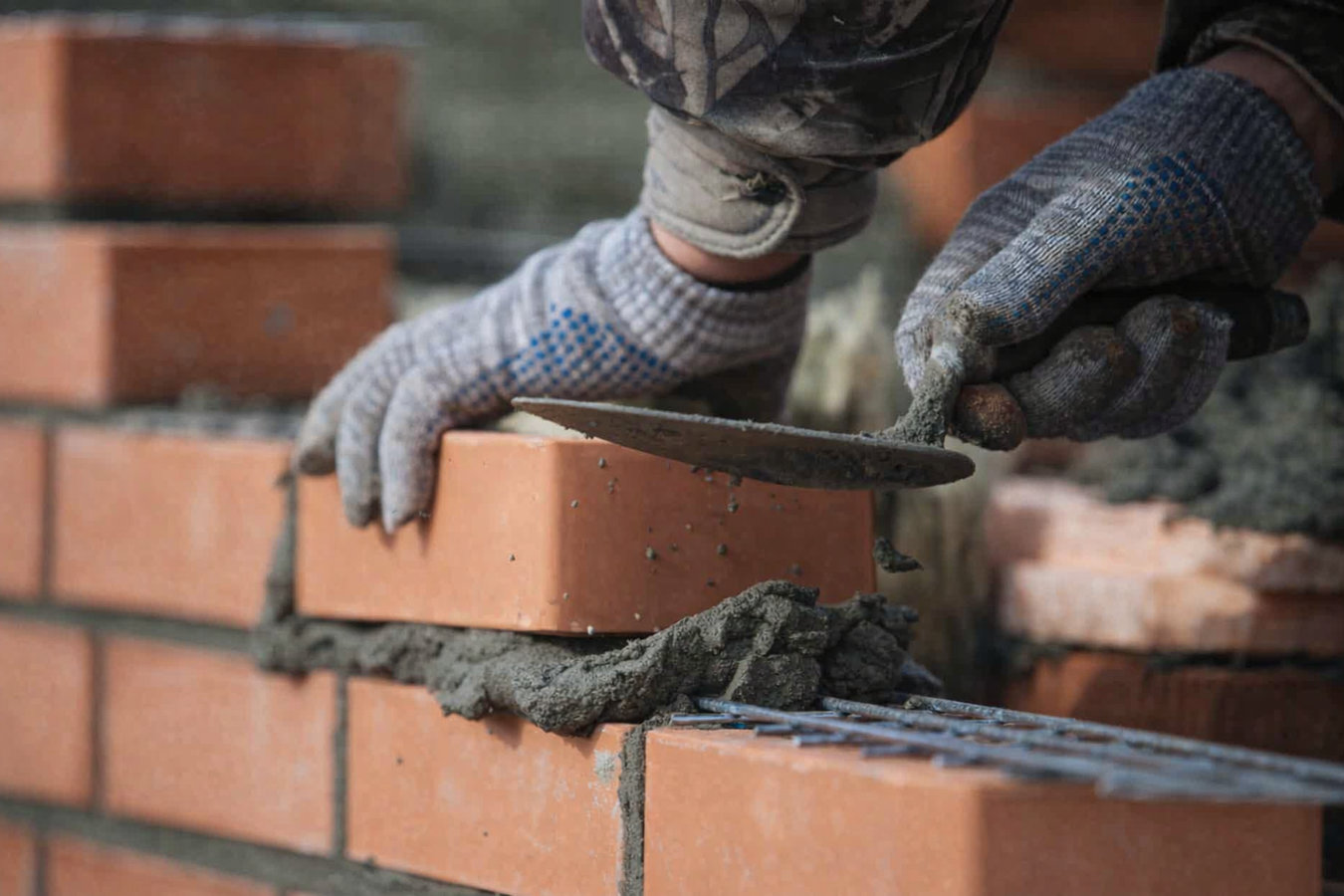
Brick repair in Pharr, TX covers both replacing damaged bricks and repointing failed mortar joints between them. Most small to mid-size residential jobs - a problem section of wall, a chimney, or a stretch of failing joints - are completed in one to two days.
If only the mortar joints are failing but the bricks themselves are sound, the repair is a tuckpointing job - which is almost always less expensive than full brick replacement. When bricks are cracked through, spalling on the surface, or visibly loose, replacement is needed. A good mason will tell you honestly which situation you are in after walking the wall with you. In South Texas, the clay soils and intense heat create conditions where small problems tend to grow faster than in cooler, more stable climates - so addressing damage early pays off.
The Brick Industry Association recommends that homeowners have brick and mortar inspected periodically, especially after significant weather events. In Pharr, where homes deal with both summer heat stress and the occasional hard freeze, that advice carries extra weight.
Run your finger along the lines between your bricks. If the mortar crumbles, flakes away, or has gaps deeper than about a quarter inch, it is no longer keeping water out. In Pharr's heat, mortar dries out and deteriorates faster than in cooler parts of the country - this is one of the most common repair needs on homes here.
That white powdery residue is called efflorescence, and it means water is moving through your brick wall and carrying minerals to the surface as it evaporates. In Pharr's humid summers, this is a common sign that moisture is getting in somewhere - through a cracked joint, a gap at a window frame, or a low spot where water pools against the wall.
Cracks that run at an angle - especially starting from corners of window or door openings - signal that the ground beneath your home has shifted. Pharr's clay soils expand and contract with the wet and dry seasons, and this movement shows up as diagonal cracking in brick walls. These cracks tend to grow slowly over time, so catching them early saves money.
Gently press on individual bricks, or tap them lightly with your knuckle. A brick that moves, wobbles, or sounds hollow when tapped has lost its bond with the mortar behind it. This is especially common after a hard freeze - like what Pharr experienced in February 2021 - when water trapped behind the brick expands and breaks the bond.
We handle the full range of brick repair work - from mortar joint repointing on a small garden wall to replacing sections of structural brick on a home exterior. Every job starts with an honest assessment of whether tuckpointing alone will solve the problem or whether damaged bricks also need to come out. Catching that distinction early is what keeps repair costs manageable.
We also address the full picture when moisture is involved - tracing where water is entering, sealing the source, and connecting the repair to any related driveway pavers or hardscape work that may be directing water toward your foundation or walls. Each repair uses materials selected to match your existing brick and mortar in both color and strength - a detail that matters most on older Pharr homes where the original mix was softer than modern formulations. For guidance on brick replacement standards, the This Old House masonry guide covers what to look for in material matching.
Best for walls where the bricks are sound but the mortar joints are cracking, crumbling, or pulling away from the brick face.
For bricks that are cracked through, spalling on the surface, or structurally compromised and need to come out and be replaced.
Addresses white mineral staining by tracing the moisture source, completing the repair, and cleaning the surface after curing.
Targets the specific cracking and bond failures common after the freeze-thaw events that Pharr homes occasionally experience.
The Rio Grande Valley sits on clay-heavy soils that expand when wet and shrink when dry. That constant movement - wet season to dry season and back again - puts ongoing stress on brick walls and the mortar that holds them together. Diagonal cracks near windows and corners are so common in Pharr, TX precisely because of this. Brick repairs in this area often need to account for the underlying movement pattern, not just the visible crack. A patch applied without looking at drainage or soil conditions will likely crack again in the same spot within a season or two.
Pharr also averages over 220 sunny days per year, with summer temperatures regularly exceeding 100 degrees F. That sustained UV exposure and heat dries out mortar faster than national averages suggest - mortar joints on south- and west-facing walls may need attention every 15 to 20 years rather than 25 to 30. Add the occasional hard freeze event, and homeowners across Edinburg, TX and Pharr are dealing with conditions that accelerate masonry wear from multiple directions. Getting a repair done with materials suited to this climate - not off-the-shelf mixes designed for milder regions - is the difference between a fix that holds and one you are calling about again in two years.
Call us and we will ask a few basic questions about the location and extent of the damage and schedule a free on-site estimate within one business day. Brick repair is one of those jobs where a photo rarely tells the whole story.
The mason walks the area with you, looks at the damage up close, and checks for contributing factors like drainage patterns or signs of soil movement. You receive a written estimate explaining what work is needed and why before any work begins.
Damaged mortar is ground out and replaced, or compromised bricks are removed and matched as closely as possible to your existing masonry. We take time to source materials that will weather toward your existing brick color rather than standing out as a patch.
The crew cleans up the site when done and walks you through the completed repair. Fresh mortar needs 24 to 48 hours before the area should get wet. Full strength takes a few weeks - avoid pressure-washing the repaired area during that time.
Free estimate. Written quote before any work starts. We reply within one business day.
(956) 705-5189Many Pharr homes from the 1970s and 1980s were built with softer mortar mixes. Using a mix that is too hard for older brick can crack the bricks themselves over time. We match both the hardness and color of the existing mortar so the repair holds without damaging what is already there.
Patching a crack without looking at what caused it leads to the same crack returning within a season or two. We check drainage patterns and soil movement as part of the assessment so the repair targets the source, not just the symptom.
You get a clear, itemized written quote before we touch anything. If something unexpected comes up during the job, we discuss it with you before proceeding. No surprise charges at the end of the project.
Homeowners consistently tell us the biggest fear with brick repair is ending up with walls that look obviously repaired. We source materials that account for how South Texas sun weathers brick over time, so the finished result blends in rather than announcing itself from across the street.
The details above translate to one practical outcome for you - a repair that looks right, holds up in this climate, and does not send you back to square one after the next rainy season or hard freeze. That is what we aim for on every job, regardless of size.
If water draining toward your home from the driveway is contributing to brick damage, paver work can redirect it.
Learn MoreWhen bricks are sound but mortar joints are cracking or crumbling, tuckpointing is the targeted, lower-cost fix.
Learn MoreEvery wet season that passes with failing brick or mortar lets moisture work deeper into your walls. Call Pharr Concrete & Masonry today for a free estimate and get it sealed before the problem grows.